Walk through any grocery store or scroll through social media, and you’ll quickly notice a major trend: people are paying much closer attention to what they put into their bodies.
Consumers today want to know where their food comes from, how it was grown, and what ingredients are used to make it. They are seeking out locally sourced foods, organic ingredients, sustainable farming practices, and products with fewer additives and less processing. This shift has transformed the way people shop, eat, and drink.
It is also changing the world of alcoholic beverages.
A Growing Desire for Simplicity and Transparency
The modern beverage marketplace is crowded. Hard seltzers, flavored malt beverages, ready-to-drink cocktails, and countless new products are competing for consumers’ attention. Many of these beverages are highly processed and can contain flavorings, colorings, sweeteners, stabilizers, and other ingredients that consumers may never think to question.
Wine, on the other hand, has always been refreshingly simple.
At its heart, wine is made from grapes that are harvested, crushed, fermented, and aged. While winemaking techniques can vary, many wines contain remarkably few ingredients compared to other categories of alcoholic beverages. Increasingly, wineries around the world are embracing organic farming, sustainable vineyard practices, and low-intervention winemaking that focuses on allowing the fruit and the vineyard to speak for themselves.
For consumers who care about authenticity and transparency, that simplicity matters.
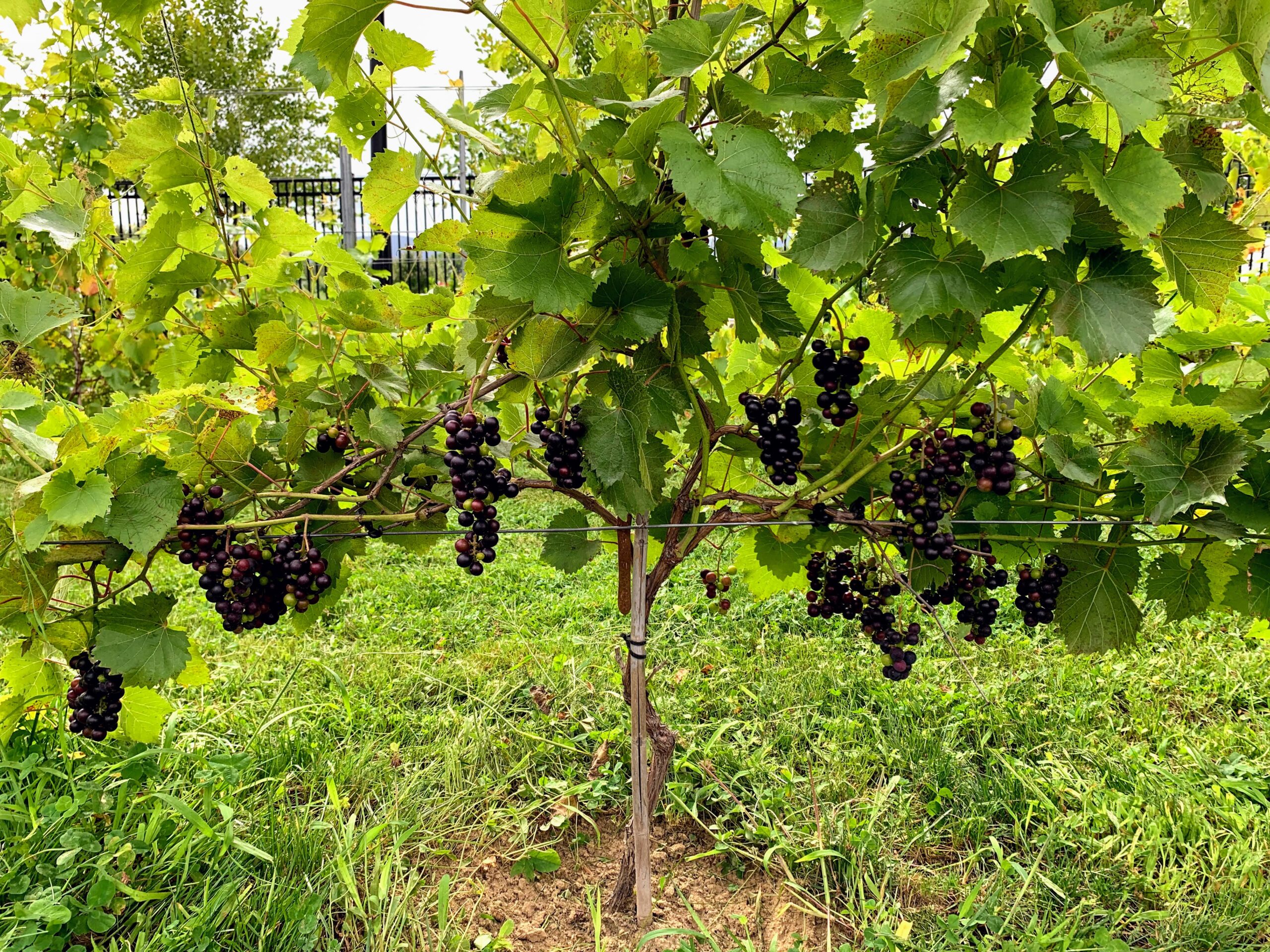
Wine Begins in the Vineyard
Unlike many alcoholic beverages that are manufactured primarily in a production facility, wine begins as an agricultural product.
A bottle of wine represents a growing season. It reflects the soil, the climate, and the care taken by the people who farm the vineyard. More and more vineyards are reducing the use of herbicides and pesticides, embracing organic and regenerative practices, and even practicing dry farming, which eliminates irrigation and encourages vines to develop deep root systems naturally.
These approaches resonate with today’s consumers because they align with the same values that have driven interest in farmers’ markets, local foods, and farm-to-table dining.
Moderation and Mindful Enjoyment
At Seven Birches Winery, we believe that wine is meant to be enjoyed thoughtfully and responsibly.
No alcoholic beverage should be considered a health food, and excessive alcohol consumption carries well-known health risks. However, many people who choose to drink alcohol are increasingly seeking products that are more natural, less processed, and connected to agriculture and craftsmanship.
Wine often fits naturally into that lifestyle.
Wine also tends to encourage a different kind of drinking experience. Rather than being consumed quickly or purely for refreshment, wine is often enjoyed slowly—with food, among friends, and as part of a shared experience. The traditions surrounding wine encourage appreciation, conversation, and moderation.
A Beverage with Thousands of Years of History
Wine has been part of human culture for thousands of years. It has accompanied meals, celebrations, and communities across countless generations. While beverage trends come and go, wine has endured because it offers something deeper than simply alcohol in a glass.
It offers connection—to the land, to tradition, and to the people with whom we share it.
Choosing Quality
Today’s consumers are increasingly making intentional choices about what they eat and drink. They are choosing products that are handcrafted, thoughtfully produced, and made with ingredients they can understand.
For those who enjoy alcohol and are looking for a beverage that is rooted in agriculture, often minimally processed, and connected to a rich tradition of craftsmanship, wine remains a compelling choice.
At Seven Birches Winery, we believe great wine starts with great fruit, careful craftsmanship, and a respect for the natural process of winemaking. It’s one of the reasons we love what we do—and why we believe wine still has an important place at the table for a new generation of thoughtful consumers.
Enjoy wine responsibly.
 Want to hear more about how wine (and cider) is a better choice?
Contact our founder, Mark LaClair, and he can get into it with you… at length. This is a great topic for conferences, health & wellness clubs, and culinary experiences.